

Adaptability resilience is the ability to adjust your mindset, routines, and strategies when technology shifts beneath your feet, then bounce back from the stress of constant digital change without burning out. Think of it as emotional agility meets practical problem-solving: you’re not just surviving the next app update or platform migration, you’re recalibrating how you work, parent, and connect so those changes don’t leave you exhausted or overwhelmed.
I learned this the hard way last year when my daughter’s school switched learning platforms for the third time in eighteen months. Between relearning login systems, figuring out new assignment workflows, and calming her frustration, I realized something had to shift. It wasn’t the technology that needed fixing. It was my approach to it.
Here’s what makes adaptability resilience different from generic “resilience” advice: it acknowledges that digital disruption isn’t a one-time crisis. It’s the baseline. Your phone updates overnight. Your company rolls out new software. Social media algorithms change how you stay in touch with friends. Each shift is small, but the cumulative weight can make you feel like you’re always playing catch-up.
This article breaks down what adaptability resilience actually looks like in practice, how it works in your brain and daily routine, and the specific skills that help you stay grounded when everything around you keeps changing. You’ll walk away with a clearer sense of how to build flexibility without sacrificing your sanity, and why this matters more in 2026 than ever before.
What Adaptability Resilience Really Means

At its core, adaptability resilience is about two interconnected abilities working together. Think of adaptability as your flexibility muscle, it’s what lets you pivot when Instagram redesigns its interface again or when your workplace switches to yet another project management platform. Resilience, on the other hand, is your recovery capacity. It’s what helps you bounce back after spending an hour trying to figure out where they moved the settings menu, or when you accidentally delete an important file.
When these two qualities combine, they create something powerful: a mindset that turns digital disruption from a crisis into a manageable challenge. Instead of feeling defeated every time a platform updates overnight, you develop the mental tools to say, “Okay, this is different. I’ll figure it out.”
- Adaptability
- The ability to adjust your approach and learn new ways of doing things when digital tools and platforms change. It’s the flexibility that helps you navigate unfamiliar interfaces and workflows.
- Resilience
- The capacity to recover emotionally and mentally from tech frustrations, setbacks, and overwhelm. It’s what keeps you from giving up when something doesn’t work as expected.
- Digital Resilience
- Your overall strength in handling the psychological and practical demands of living in a tech-connected world, including managing screen time stress and information overload.
- Adaptability Resilience
- The combined capability of both adjusting to digital changes and bouncing back from tech-related challenges, creating a sustainable relationship with evolving technology.
Here’s what this looks like in real life: when Zoom became everyone’s living room companion during remote work shifts, people with adaptability resilience didn’t just learn the buttons. They figured out how to unmute themselves, sure, but they also developed strategies for Zoom fatigue and found ways to make virtual meetings feel less draining. They adapted their communication style and bounced back from awkward technical glitches without spiraling into tech anxiety.
Or consider algorithm changes on social media. Your carefully curated feed suddenly looks completely different. Adaptability resilience means you don’t just scroll in frustration, you explore the new features, adjust your follows, maybe even take a break if needed, and gradually find your rhythm again. You bend without breaking.
How Adaptability Resilience Works in Daily Life
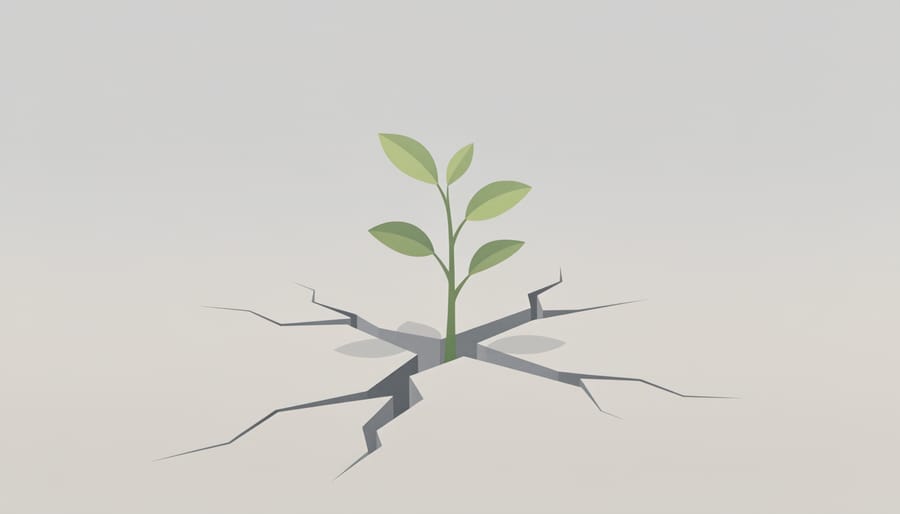
The Mindset Shift That Makes It Click
I’ll never forget the week Instagram switched to a predominantly video-focused algorithm. My carefully curated grid of still photos suddenly felt invisible, and I spiraled into full frustration mode. “Why does everything keep changing?” became my mantra. Sound familiar?
Then my friend asked a question that shifted everything: “What if you just tried one video this week?” Not mastering Reels, not becoming a content creator, just trying.
That tiny reframe changed how I approached digital shifts. Instead of asking why platforms keep disrupting my routine, I started asking how I could experiment within the new landscape. Curiosity replaced resentment. I gave myself permission to be mediocre while learning.
This mindset shift is the foundation of adaptability resilience. When you view digital changes as puzzles to explore rather than personal attacks on your comfort zone, frustration loses its grip. You’re not abandoning your boundaries or becoming a tech sheep, you’re simply opening the door to possibility before deciding what works for you.
Building Your Digital Bounce-Back Muscle
Think of your digital bounce-back muscle like any other skill, it gets stronger with practice. Every time you figure out where Instagram moved that button again or puzzle through a new video editing feature, you’re actually training your brain to handle change more smoothly.
Here’s what’s happening: Each small adaptation creates neural pathways that make the next adjustment easier. When you successfully navigate a minor tech hiccup, your brain registers it as “I can do this,” building confidence for larger disruptions. It’s why someone who regularly tries new apps tends to adapt faster when their entire work platform changes overnight.
Start with low-stakes practice. Download a new recipe app just to explore it, even if you like your current one. Switch your phone’s home screen layout for a week. These tiny experiments feel manageable, but they’re teaching your brain that change isn’t catastrophic, it’s solvable.
I do this with my streaming services. Rather than getting frustrated when they redesign the interface (again), I spend ten minutes clicking around like I’m on a treasure hunt. Where did they hide my watch list? How does this new recommendation feature work? That playful curiosity transforms irritation into problem-solving practice.
The magic happens when something bigger shifts, like your company rolling out new software. You’ll notice you’re less panicked and more pragmatic because you’ve already proven to yourself, dozens of times, that you can figure new systems out.
The Different Dimensions of Digital Adaptability Resilience
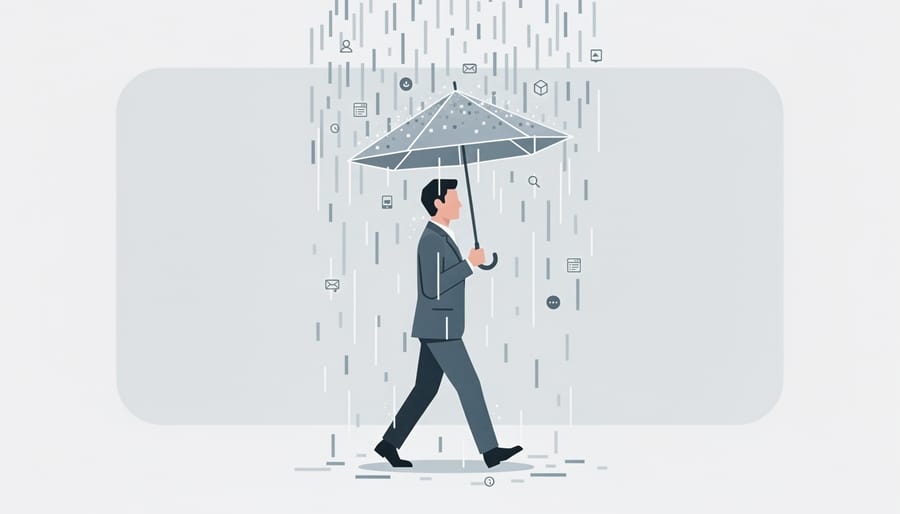
Digital adaptability resilience isn’t just one skill, it’s a collection of interconnected capacities that work together to help you navigate our constantly shifting online world. Understanding these different dimensions can help you identify where you’re already strong and where you might want to focus your growth.
- Technical adaptability: Your willingness and ability to learn new digital tools, from video editing apps for family memories to project management software at work
- Emotional resilience: How you manage frustration when your favorite app redesigns its interface or your Instagram algorithm suddenly shows you nothing you want to see
- Social adaptability: Navigating evolving communication norms across platforms, like knowing when a text is appropriate versus an email, or adjusting your tone for different online communities
- Informational resilience: Your capacity to filter through content overload, distinguish reliable sources from noise, and adapt your information consumption habits without burning out
Let’s break these down further. Technical adaptability shows up in those moments when you need to figure out a new meal planning app because your old one shut down, or when your workplace switches to a different video conferencing platform. It’s not about being a tech expert, it’s about approaching new tools with curiosity instead of dread. I’ve watched friends who swore they’d never learn TikTok become confident creators simply because they gave themselves permission to fumble through the learning curve.
Emotional resilience is what gets you through the third password reset of the day without throwing your phone across the room. It’s recognizing when tech frustration is triggering deeper stress and giving yourself grace to step away. This dimension includes setting boundaries around notifications, acknowledging when you’re overwhelmed by digital demands, and developing strategies to reset your nervous system after tech-induced irritation.
Social adaptability has become crucial as our relationships increasingly span multiple platforms. You might text your sister, email your child’s teacher, DM a colleague, and comment in a Facebook group, all with different expectations for response time, formality, and tone. This dimension includes reading the room in online spaces and adjusting how you communicate as community norms shift.
Informational resilience protects you from drowning in the endless stream of content. It’s the ability to curate your feeds, recognize when you’ve hit information saturation, and adapt your consumption patterns without feeling like you’re missing out. This might mean unsubscribing from newsletters that no longer serve you or developing a healthier relationship with news alerts.
Where Adaptability Resilience Shows Up in Your Life
You’re probably already practicing adaptability resilience without realizing it. It’s not some abstract concept reserved for tech executives or productivity gurus, it’s the muscle you flex every time life throws a digital curveball your way.
In parenting, this resilience shows up constantly. When your child’s school suddenly switches learning platforms mid-year, you’re the one helping them navigate new login screens and figure out where assignments live now. You’re also the one adjusting screen time rules as your kids get older, balancing their need for digital connection with your concerns about too much scrolling. One week you’re setting firm boundaries around devices; the next, you’re loosening them because remote learning demands it. That’s adaptability in action.
At work, digital resilience is what gets you through yet another collaboration tool rollout. Remember when your team switched from email threads to Slack, then added Asana, then layered in Zoom fatigue management strategies? You learned each platform’s quirks, adjusted your communication style, and found ways to stay productive despite the constant shuffling. The ability to pivot and adapt when workflows shift isn’t optional anymore, it’s part of the job description.
Your personal relationships live in this space too. You text your sister, voice-note your best friend, video chat your parents, and DM your book club, all different platforms, different communication styles, different expectations for response times. Adaptability resilience means you can shift between these modes without losing connection or feeling overwhelmed by the constant platform juggling.
For creative pursuits, whether you’re following cooking videos on Instagram, trying new beauty techniques from TikTok, or managing a blog, you’re constantly learning new interfaces and formats. Recipe apps update their layouts. Video editing tools add features. Blog platforms reorganize dashboards. You adjust, figure it out, keep creating.
And in self-care, this resilience protects your mental health. When notifications become overwhelming, you tweak your settings. When doomscrolling starts affecting your mood, you reset with nature or set app limits. You’re constantly recalibrating your digital boundaries based on what your brain and body need, not what the algorithms want from you.
Common Questions About Building Digital Adaptability
How long does it take to build adaptability resilience?
There’s no fixed timeline because everyone starts from a different place. Most people notice small shifts in their confidence within a few weeks of consciously practicing new tech skills, but building genuine comfort with digital change is an ongoing process that deepens over months and years.
What if I feel constantly overwhelmed by tech changes?
That overwhelm is completely valid, especially when platforms seem to redesign themselves overnight. Start by giving yourself permission to adapt slowly, you don’t need to master every update the day it drops. Focus on one change at a time, and lean on support systems like friends, online communities, or even customer service forums when you need guidance.
Is it okay to opt out of some digital platforms?
Absolutely. Real resilience includes knowing when to step back rather than forcing yourself to adapt to every single tool or app that exists. If a platform drains more energy than it gives value, choosing not to engage is a form of digital wisdom, not failure.
How do I know if I’m being resilient or just burned out?
Resilience feels like steady progress with occasional frustration but overall forward movement. Burnout feels like constant exhaustion, detachment, and diminishing returns no matter how hard you try. If you’re consistently drained by digital demands and nothing helps, that’s a signal to avoid burnout by setting firmer boundaries or taking a proper break.
Do I need to keep up with every new app or tool?
Not even close. Digital adaptability means choosing what serves your life, not chasing every trend. Focus on the tools that genuinely support your work, relationships, or creativity, and let the rest pass by without guilt.
These questions come up repeatedly because we’ve been sold the idea that good digital citizenship means constant availability and instant adaptation. It doesn’t. Building adaptability resilience is about developing a flexible relationship with technology that works for your actual life, not an idealized version where you’re always on the cutting edge. Some weeks you’ll tackle new tools with curiosity. Other weeks you’ll stick with what you know and protect your energy. Both are part of the same resilient approach.
Remember that morning I mentioned at the start, staring at my phone like it had betrayed me? Here’s what I learned: I eventually figured out the new interface. It took a few frustrated attempts, some deep breaths, and a willingness to click around without knowing exactly what would happen. The app didn’t defeat me. I adapted, even when it felt clunky and annoying.
That’s really what adaptability resilience comes down to. It’s not about loving every platform update or mastering every new tool the moment it appears. You don’t need to be the friend who’s always first to try the latest app or the person who never feels flustered by digital change. Developing a healthy relationship with technology means giving yourself permission to stumble, to feel frustrated, and to learn at your own pace. Some days you’ll roll with the changes easily. Other days you’ll want to throw your phone across the room. Both reactions are completely normal.
Start where you are. Pick one small tech challenge this week and approach it with curiosity instead of dread. Be patient with yourself when things don’t click immediately. This journey doesn’t have an endpoint because the digital world will keep evolving, and so will you.
I’d love to hear your stories. What’s been your biggest digital adaptation challenge lately, and how did you handle it? Share in the comments below.