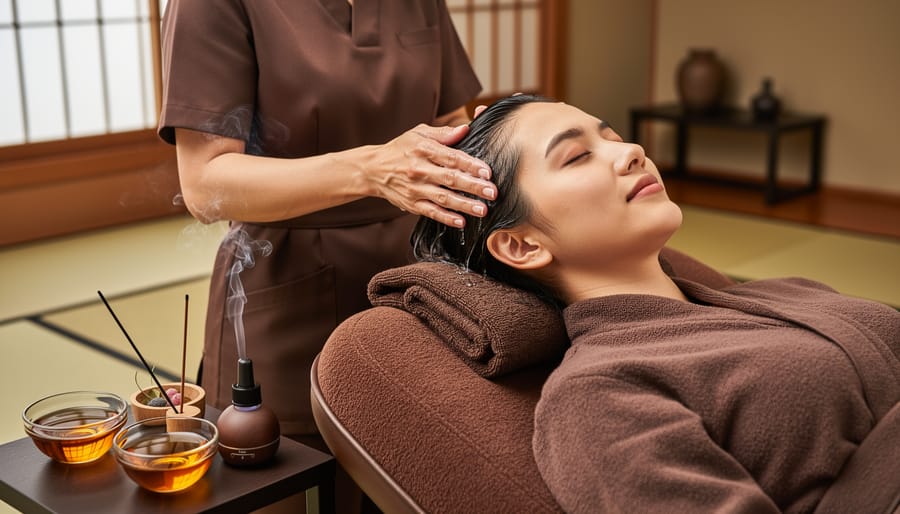
A Japanese head spa is a therapeutic scalp treatment combining deep-cleansing massage, aromatherapy, and relaxation techniques designed to relieve tension, promote hair health, and induce a meditative state. What started as a standard salon service in Tokyo has exploded into a global wellness phenomenon, with dedicated studios opening across major cities and millions of ASMR-style treatment videos racking up views online.
I first heard about head spas from a friend who came back from a business trip to Japan absolutely glowing. She described lying back in a quiet room while a technician spent 90 minutes massaging her scalp with warm oils, working through every pressure point until she nearly fell asleep. Two years later, I can book the same experience ten minutes from my apartment.
The timing makes sense. We’re more stressed than ever, spending hours hunched over screens with tight shoulders and tension headaches. Head spas promise something rare: genuine rest that feels productive. You’re not just zoning out, you’re actively caring for your scalp health, improving circulation, and walking out with noticeably softer hair. The experience taps into our growing appetite for ritualized self-care, something intentional and immersive rather than another quick fix.
This article breaks down exactly what happens during a Japanese head spa session, the different techniques involved, and why this particular wellness trend has staying power beyond the initial social media hype.
What the Japanese Head Spa Ritual Really Means
A Japanese head spa, or “head spa” as it’s simply known in Japan, is a therapeutic scalp treatment that combines deep cleansing, massage, and sensory relaxation into one experience. It originated in Japan’s wellness culture, where caring for the scalp has long been viewed as essential to overall health, not just hair appearance. The practice draws from traditional Japanese bathing rituals and the belief that tension held in the head and neck affects your entire body.
What makes it different from a quick scalp massage at the salon or a conditioning treatment? A head spa is designed as a complete ritual, typically lasting 60 to 90 minutes, that addresses both physical and mental wellbeing. The approach is holistic, practitioners consider your stress levels, sleep quality, and lifestyle alongside your scalp condition.
If you’re curious about experiencing this firsthand, a japanese head spa auckland treatment can show you how different it feels from standard salon services. The philosophy centers on slowing down and treating your head, which carries so much daily tension, with the same intentional care you’d give any other part of your body.
Head spa
A therapeutic treatment focused on scalp health through massage, cleansing, and relaxation techniques. Unlike a regular hair treatment, it treats the scalp as an extension of your overall wellness.
Scalp detox
The process of removing buildup from hair products, oil, and environmental pollutants through deep cleansing and exfoliation. This creates a healthier foundation for hair growth.
Lymphatic drainage
Gentle massage techniques that stimulate fluid movement in the lymphatic system, helping reduce puffiness and promoting circulation in the scalp and face.
How the Head Spa Experience Works
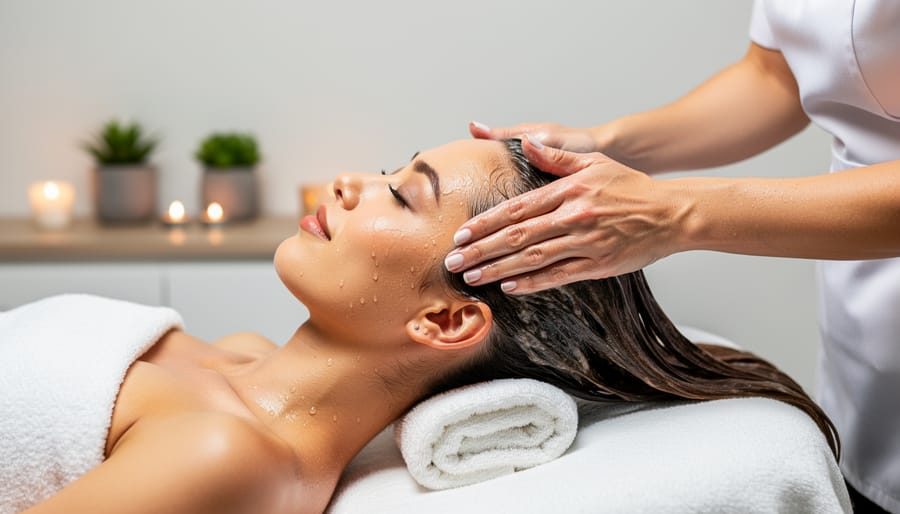
Walking into a Japanese head spa for the first time, you’ll usually start with a brief consultation. The therapist asks about your scalp condition, hair concerns, and stress points. Some places use a scalp camera to show you close-ups of your hair follicles and any buildup or dryness. It’s surprisingly revealing and helps customize the treatment to what your scalp actually needs.
The session typically begins with a gentle cleansing using warm water and specialized shampoo. Unlike the quick scrub you do at home, this part takes several minutes. The therapist works in slow, deliberate circles, focusing on loosening buildup and stimulating blood flow. You’re reclined in a comfortable chair, often with your neck supported, so you can fully relax without holding any tension.
Next comes the massage portion, which is the heart of the experience. Using fingertips and sometimes small tools, the therapist applies rhythmic pressure across your entire scalp. They target specific acupressure points believed to relieve headaches and promote circulation. The pressure is firm but never painful. Many sessions incorporate a shoulder and neck massage too, since tension in those areas connects directly to scalp tightness.
Steam or warm towels often come next, opening pores and helping treatments penetrate deeper. The warmth itself is deeply relaxing. Then they apply a nourishing treatment, hair mask, or scalp serum, massaging it in thoroughly. Some spas use ultrasonic devices or LED therapy at this stage.
The final rinse is as methodical as the first cleanse, sometimes finishing with a cool water rinse to close the hair cuticle. Many places end with a brief scalp or temple massage while you’re still in the chair, easing you back into awareness. The whole experience takes 45 to 90 minutes, and you leave feeling like your head weighs less.
The Different Approaches and Techniques
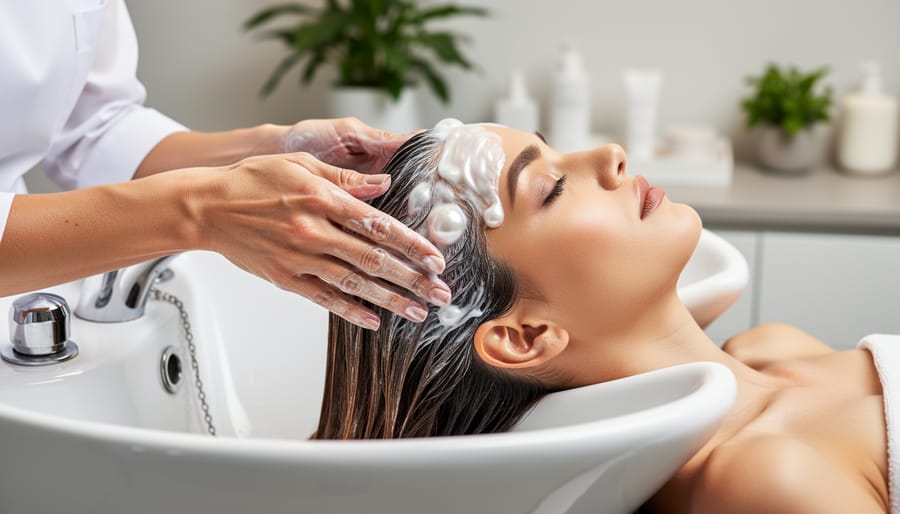
Not all head spas are created equal, and that’s actually part of the appeal. The ritual has evolved into several distinct approaches depending on where you go and what you’re looking for.
The traditional Japanese method tends to follow a structured sequence: thorough scalp analysis, warm water cleansing, extended massage using specific acupressure points, steam or warm towel treatment, nourishing mask application, and a final massage. This approach typically takes 60 to 90 minutes and emphasizes balance and harmony in every step. You’ll find this version at dedicated Japanese wellness centers or spas that train specifically in these techniques.
Then there’s the scalp-focused treatment, which zeros in on hair and scalp health. These sessions concentrate on deep cleansing, exfoliation to remove product buildup, and intensive hydration treatments. They’re shorter, usually 30 to 45 minutes, and appeal to people dealing with specific scalp issues like dryness, oiliness, or thinning hair.
The full-sensory experience takes a broader approach, incorporating elements beyond the scalp itself. You might get shoulder and neck massage, aromatherapy, sound therapy, or even guided breathing exercises. Some luxury spas blend the head spa with facial treatments or eye massages, creating what feels like a complete reset for your entire head and mind.
Common techniques you’ll encounter across different approaches include:
- Circular finger pressure massage to stimulate blood flow and release tension
- Warm steam application to open pores and enhance product absorption
- Gentle scalp brushing to exfoliate and distribute natural oils
- Acupressure on specific points to address headaches and stress
- Clay or serum masks tailored to your scalp condition
For those trying it at home, starter kits have become widely available. These typically include a scalp massager tool, cleansing brush, treatment oils or serums, and step-by-step guides. While you won’t replicate the full spa atmosphere, you can still benefit from the core techniques with some practice and patience.
Why This Ritual Resonated With So Many People
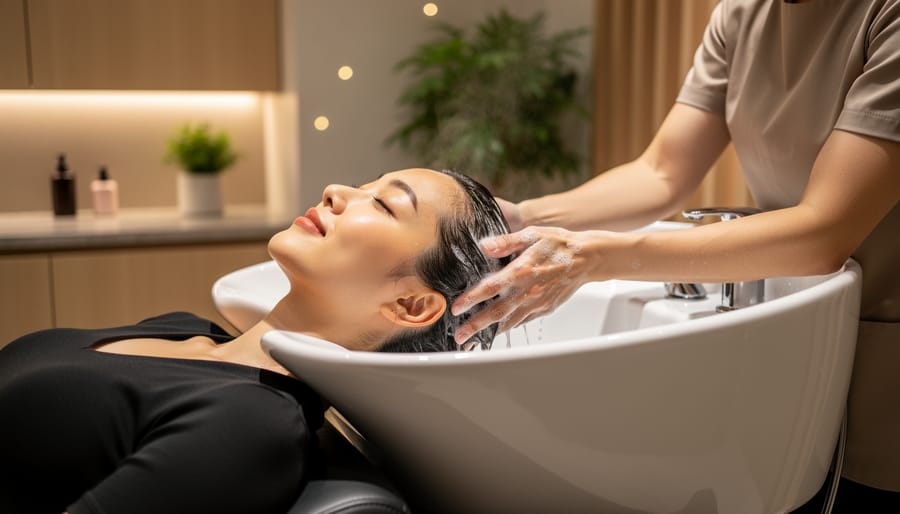
The Stress Relief Connection
The head spa ritual found its moment because it directly counters the specific ways modern life wears us down. Those relentless tension headaches that start at your temples and creep down your neck? They’re often the physical manifestation of holding stress in your jaw, clenching without realizing it during video calls or while scrolling. The slow, deliberate pressure techniques used in head spa treatments target exactly these tension points, the ones you didn’t even know were tight until someone touches them.
What makes it particularly effective for contemporary exhaustion is the enforced stillness. You can’t check your phone during a head spa session. You can’t mentally run through your to-do list when someone’s massaging warm oil into your scalp with focused intention. It’s a digital detox built into the treatment itself. The sensory engagement, warmth, pressure, scent, sound, anchors you completely in the present moment, which gives your nervous system permission to actually shift out of fight-or-flight mode for once.
Social Media and the Visual Appeal
The visual nature of head spa treatments made them perfect for social media’s algorithm-driven world. Videos of foaming scalp massages, satisfying close-ups of product application, and the serene ambiance of treatment rooms racked up millions of views almost overnight. TikTok users particularly gravitated toward the ASMR-friendly sounds, the gentle massage motions, water trickling, the soft rustle of towels, creating an oddly mesmerizing viewing experience even for those who’d never set foot in a spa.
Instagram added fuel with beautifully styled before-and-after shots and those dreamy overhead angles of clients relaxed in treatment chairs, cucumber water in hand. The treatments looked luxurious yet attainable, exotic yet accessible. Influencers and everyday users alike discovered that sharing their head spa experience sparked genuine engagement, with comments full of “I need this” and “where is this place?” The ritual essentially became its own advertisement, spreading organically as people tagged friends and saved posts for future reference.
Affordable Luxury and Accessibility
One of the smartest things about head spa treatments is how they make luxury feel attainable. A typical session runs between $60 and $150, which sounds like a lot until you compare it to a full spa day that can easily hit $300 or more. You’re getting that same sense of being pampered and cared for, but in a focused 45 to 90 minutes instead of blocking out your entire afternoon.
This shorter time commitment matters too. You can book a head spa during lunch or between errands, which fits into real life better than those aspirational all-day spa fantasies most of us never actually schedule.
The at-home market has exploded alongside professional treatments. Scalp massage tools, specialized shampoos, and step-by-step kits bring the ritual into your bathroom for a fraction of the cost, letting you recreate the experience whenever stress levels climb.
What You Can Actually Gain From It
The benefits stack up in ways that surprised me, and quite a few readers who’ve written in to share their experiences. One friend told me she booked a head spa session on a whim during a stressful work month and left feeling like she’d had a mental reset, not just a hair treatment. That’s the thing: what you gain goes beyond what you can see in the mirror.
On the physical side, the results are real. Regular sessions improve scalp circulation, which can mean healthier hair growth over time. The deep cleansing unclogs follicles and removes product buildup that regular shampooing misses. Many people notice their hair feels thicker, shinier, and less prone to that midday greasiness. If you struggle with scalp tension or headaches, the massage techniques target pressure points that genuinely ease discomfort, something I didn’t expect to be so effective until I tried it myself.
The tangible benefits include:
- Improved blood flow to the scalp and hair follicles
- Deep cleansing that removes buildup and excess oil
- Reduced scalp tension and tension headaches
- Healthier, shinier hair texture over time
- Relief from dry scalp or mild dandruff
- Better absorption of hair treatments and serums
But the intangible gains might matter more. The ritual forces you to slow down and be present in a way that’s rare now. It’s 60 to 90 minutes where your phone is put away and the only task is letting someone care for you. Several readers have told me it became their monthly anchor, a non-negotiable act of self-care that reminds them they’re worth the time and attention. It’s like finding the right routine for your mind as much as your scalp: something that genuinely serves you rather than just checking a box.
Common Questions About Head Spa Treatments
I get asked about head spa treatments constantly, and honestly? The questions are always pretty similar. So let me tackle the ones that come up most often, and if you’ve tried one or have your own burning questions, I’d love to hear about it in the comments.
How often should you get a head spa treatment?
Most experts recommend monthly sessions if you’re treating it as a wellness ritual, though you can go every two to three months for maintenance. If you’re dealing with specific scalp issues, you might start with more frequent visits initially.
What does a head spa typically cost?
Professional treatments usually range from $80 to $200 depending on location and treatment length. At-home kits and tools start around $30, making it more accessible if you want to try the ritual without the full spa investment.
Does it work for all hair types?
Yes, the treatment can be customized for different hair textures and scalp conditions, just like determining your skin type helps personalize skincare. Let your practitioner know about any sensitivities or specific concerns beforehand.
Can you do a head spa ritual at home?
Absolutely. While you won’t replicate the full professional experience, you can create a simplified version with a scalp massager, warm oil treatment, and intentional time for the ritual. The key is committing to the slowness and sensory focus.
The reality check? A head spa isn’t going to solve major hair loss or replace medical treatment for scalp conditions. What it does offer is legitimate relaxation, improved circulation, and a reset for your nervous system. Whether the hype matches reality depends on what you’re hoping for, if you want a transformative wellness experience and some quality scalp care, you’ll probably love it. If you’re expecting miracle hair growth, temper those expectations.
The Japanese head spa ritual caught on because it arrived exactly when we needed it, a slow, sensory antidote to our overstimulated lives that actually delivers results. It blends centuries-old Japanese wellness wisdom with what modern people crave: stress relief that’s Instagram-worthy yet genuinely restorative, self-care that fits into realistic schedules, and an experience that feels luxurious without requiring a full day or a massive budget.
Whether you book a treatment or try an at-home version, the ritual offers something rare, permission to pause and genuinely care for yourself. Have you experienced a head spa treatment, or are you curious to try one? I’d love to hear what drew you to it or what’s holding you back in the comments below.