
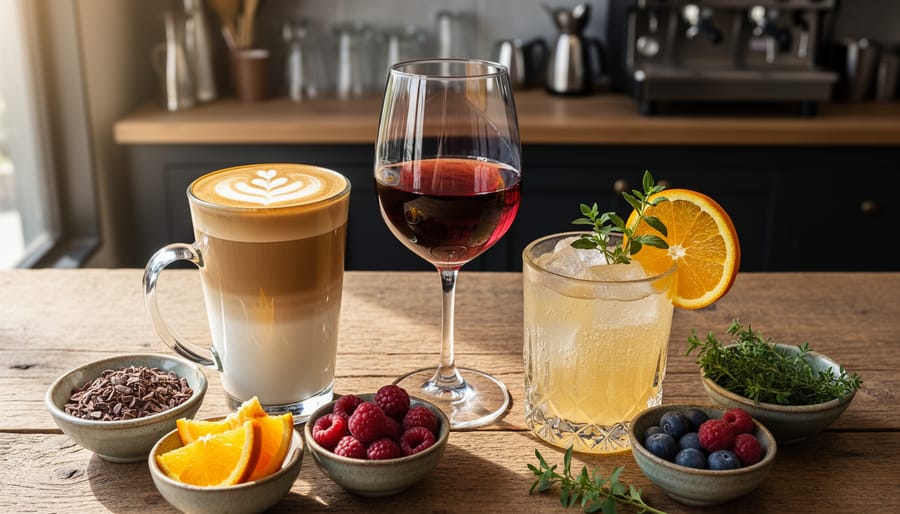
I’ll never forget the first time a barista described my latte as having “notes of caramel with a bright, citrusy finish.” I nodded politely, pretending I knew exactly what she meant, but inside I was completely lost. What even is a flavor profile? Fast forward a few years, and understanding flavor profiles has completely changed how I experience everything I drink, from my morning coffee to weekend craft drinks with friends.
A flavor profile is simply the complete sensory experience of what you’re tasting. It’s the combination of taste, aroma, texture, and even temperature that creates your overall impression of a beverage or food. Think of it as a personality description, but for drinks.
Here’s what makes this concept so useful: once you understand flavor profiles, you can intentionally choose beverages that match your mood, recreate drinks you loved at that cute café downtown, and even troubleshoot when something tastes off. You’re no longer just drinking something because it looks pretty on Instagram. You’re making informed choices based on what actually appeals to your palate.
The beauty of learning about flavor profiles is that there’s no right or wrong answer. Your experience is uniquely yours. What I taste as “bright and fruity,” you might describe as “tangy and sweet.” We’re both correct because we’re describing our own sensory experiences.
Whether you’re exploring new coffee roasts, experimenting with tea blends, or trying to understand why you prefer certain wines over others, learning to identify and articulate flavor profiles opens up a whole new dimension of enjoyment. It turns passive drinking into an engaging, mindful experience that connects you more deeply with what you’re consuming.
What Exactly Is a Flavor Profile?
I used to think flavor meant whether something tasted good or bad. Simple, right? Then I started exploring craft beverages at my local farmers market, and the vendor asked what flavor profiles I preferred. I nodded like I knew what she meant, but honestly, I was lost.
Here’s what I’ve learned since then. A flavor profile is the complete sensory experience you get from a beverage. It’s not just about sweet or sour. It’s everything your senses pick up from the moment you bring a drink to your lips until the taste fades away.
Think about drinking a basic orange juice from the grocery store versus sipping a small-batch kombucha from an artisan producer. The orange juice hits you with straightforward sweetness and citrus. But that kombucha? You might notice a tangy first impression, followed by hints of ginger, a slightly effervescent texture on your tongue, and a clean, crisp finish. That entire journey is its flavor profile.
Your brain actually combines multiple sensory inputs to create what you experience as flavor. Research on odor and taste integration shows how smell and taste work together in ways we don’t consciously recognize. This is why a cold dulls flavors. You’re literally experiencing less when your nose is blocked.
Let me break down the key components:
- Taste vs. Flavor
- Taste refers only to what your tongue detects (sweet, salty, sour, bitter, umami), while flavor includes aroma, texture, and temperature.
- Tasting Notes
- The specific flavors you identify in a beverage, like “notes of vanilla” or “hints of berry.” These describe the nuanced flavors beyond the dominant taste.
- Mouthfeel
- The physical sensation and texture in your mouth, whether creamy, crisp, smooth, or fizzy.
- Finish
- The lingering taste and sensation after you swallow. A good craft beverage often has a pleasant, evolving finish rather than just disappearing.
Understanding these elements changed how I experience my morning matcha or afternoon iced tea. I started noticing things I’d never paid attention to before, and suddenly, choosing beverages became more intentional and enjoyable.
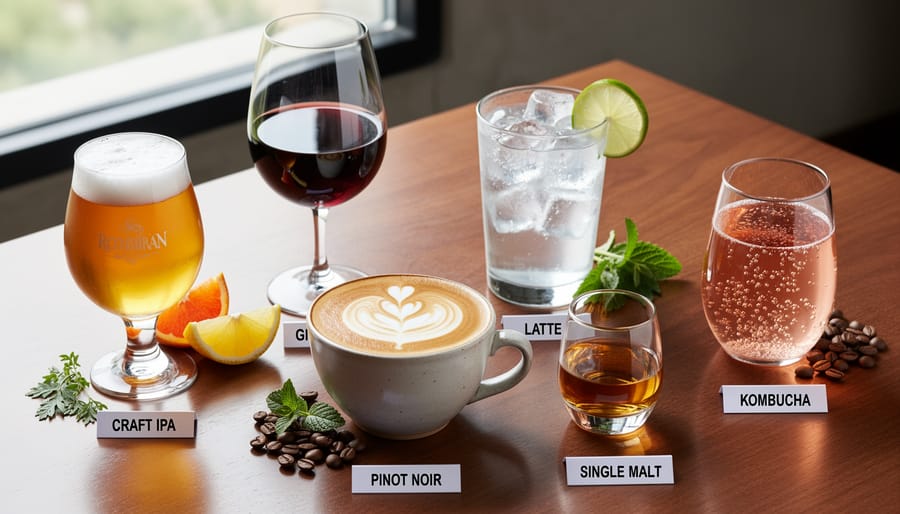
The Five Elements That Make Up Every Flavor Profile
Sweetness and Bitterness: The Balancing Act
The magic of sweet and bitter in your favorite drinks is like a beautiful dance where neither partner should overpower the other. I learned this firsthand when I tried my first craft cold brew and realized why it tasted so much better than my usual coffee shop order. The natural bitterness from the slow-steeped coffee beans was perfectly balanced by a hint of sweetness, creating this rounded, complex flavor that kept me coming back.
Cold brew coffee is actually the perfect example of this balancing act. The brewing method reduces some of the harsher bitter notes you get from hot brewing, and when you add just a touch of simple syrup or maple sweetener, you’re not masking the coffee’s character. You’re enhancing it.
Craft sodas have taken this principle and run with it. Think about a good root beer with its bitter herbal notes softened by sweetness, or a grapefruit soda where the citrus bite plays against sugar. Botanical tonics do this beautifully too. The quinine’s bitterness gets tempered by sweeteners and citrus, creating layers of complexity.
Here’s what I’ve noticed: the best beverages don’t taste overly sweet or punishingly bitter. They find that sweet spot (pun intended) where both elements make each other shine.
Acidity: The Bright, Zippy Notes
You know that first sip of lemonade on a hot day, or the way a splash of lime brightens up your water? That’s acidity at work, and it’s what makes so many drinks feel genuinely refreshing rather than just sweet or flat. Acidity brings those bright, zippy notes that wake up your palate and make you want another sip.
I discovered this myself when I started making kombucha at home. The slight tang from the fermentation gave it this incredible vibrancy that plain tea just couldn’t match. That tanginess is lactic and acetic acid doing their thing, creating a flavor profile that feels alive on your tongue.
Shrubs are another perfect example. These drinking vinegars combine fruit with vinegar and sugar, and while that might sound intense, the acidity actually balances the sweetness beautifully. I love adding a splash to sparkling water for an afternoon pick-me-up that’s way more interesting than soda.
Citrus-forward cocktails use this same principle. Think margaritas, gimlets, or even a simple gin and tonic with extra lime. The citric acid doesn’t just add flavor, it creates structure. It cuts through richer ingredients and makes the whole drink feel lighter and more dynamic. Without that acidic component, beverages can taste muddy or one-dimensional. With it, everything just clicks into place.
Body and Texture: How a Drink Feels
Body and texture are the physical sensations that complete your drink’s flavor profile. Think about how a matcha latte coats your tongue differently than black coffee, or how bubbles from sparkling water create that lively tingle. This is mouthfeel, and it’s just as important as taste.
I’ll never forget the first time I tried a nitro cold brew. The silky, almost creamy texture completely surprised me, even though there wasn’t any milk added. That velvety body transformed my entire experience of the coffee. It taught me that how a drink feels shapes how we perceive its flavor.
Texture can be thick and coating like a smoothie, light and crisp like cucumber water, or somewhere in between. Temperature plays a role too. A chilled botanical tea feels refreshing in ways that go beyond its mint and citrus notes.
Pay attention next time you sip your favorite drink. Does it feel heavy or light? Smooth or effervescent? These details help you understand what you truly enjoy and guide you toward new drinks you’ll love.
Aroma: The Hidden Flavor Factor
Here’s the thing about understanding a beverage’s flavor profile: smell accounts for 80% of what we actually taste. I didn’t believe this until I tried tasting my morning coffee while holding my nose. The difference was shocking.
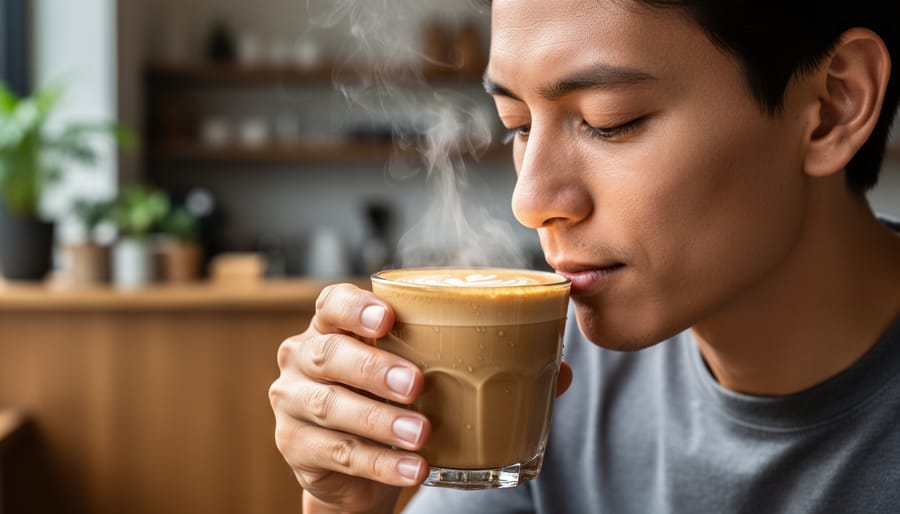
Think about the last time you had a cold. Everything tasted bland, right? That’s your sense of smell doing most of the heavy lifting. To really appreciate artisan beverages, try this: before taking your first sip, pause and inhale deeply over your cup. What do you notice? Maybe vanilla, caramel, or floral notes you’d miss otherwise. I’ve started keeping a small notebook where I jot down aromatic impressions, and it’s completely changed how I experience my favorite drinks. Your friends might think you’re being extra when you swirl and sniff your latte, but honestly? You’re getting the full experience they’re missing.
How to Actually Taste and Identify Flavor Profiles
I’ll never forget my first coffee cupping session at a local roastery. I thought I knew coffee because I drank it every morning, but when the roaster asked me to describe what I was tasting, I panicked. “Um, it’s… brown? And coffee-flavored?” The kind woman smiled and handed me a flavor wheel. That moment changed everything.
Understanding flavor profiles doesn’t require a sophisticated palate or years of training. You already have everything you need. Your taste buds are just waiting for your brain to catch up and start paying attention. Think of it like learning to really listen to music instead of just having it play in the background.
The secret? Slow down. We’re so used to gulping our morning coffee or mindlessly sipping wine while scrolling our phones. Actually tasting something requires presence, and honestly, that five-minute break from the chaos is pretty wonderful.
Here’s how to taste like you mean it:
- Look first. Hold your cup up to the light. Is it clear or cloudy? Dark or pale? Notice the color variations. These visual cues tell stories about roasting levels, brewing methods, or aging processes.
- Smell deeply. Bring the cup to your nose and breathe in slowly. Don’t overthink this part. What comes to mind? Flowers? Toast? Something sweet or earthy? There’s no wrong answer.
- Take a small sip and let it sit on your tongue. Resist the urge to swallow immediately. Let the liquid warm up and coat your entire mouth.
- Notice the middle flavors as you gently swish. Is it fruity? Nutty? Spicy? This is where the main flavor profile reveals itself.
- Pay attention to the finish after you swallow. Does the taste linger? Change into something else? Disappear quickly? The finish tells you about quality and complexity.
- Write it down or tell someone about it. Describing flavors out loud helps train your palate faster than anything else.
Start with something familiar. If you already love a particular brand of tea or chocolate, that’s your baseline. Then try something slightly different and compare. You’ll be amazed how quickly your palate develops once you give it permission to have opinions.
The beautiful thing? There’s genuinely no wrong way to experience flavor. Your palate is uniquely yours, shaped by your memories and preferences.
Reading Flavor Profiles on Artisan Beverage Labels
I’ll be honest: the first time I picked up a craft coffee bag with tasting notes that read “hints of bergamot, honeysuckle, and toasted walnut,” I thought someone was playing a prank. Coffee tastes like coffee, right? But once I learned to decode these descriptors, my whole beverage experience changed. Those poetic phrases on artisan labels aren’t just marketing fluff. They’re actually a roadmap to finding drinks you’ll genuinely love.
Let’s start with the most common flavor profile terms you’ll encounter. “Bright” means acidity, like the zing in citrus or green apples. If you love refreshing, crisp flavors, look for this descriptor on kombucha or light roast coffees. “Earthy” refers to mushroom, soil, or moss-like qualities. Think of walking through a forest after rain. You’ll find this in darker teas and certain fermented drinks.
“Floral” is exactly what it sounds like: roses, jasmine, lavender. These delicate notes show up in white teas, certain craft gins, and naturally processed coffees. “Smoky” brings campfire vibes, usually from roasting or aging processes. Meanwhile, “fruity” can range from berry sweetness to tropical punch, depending on the specific fruit mentioned.
Here’s my practical tip for using this information: start by identifying three flavor profiles you already enjoy in food. Love chocolate? Look for “cocoa” or “nutty” notes. Prefer citrusy desserts? Seek out “bright” or “citrus” descriptors. I keep a quick note in my phone of terms I’ve enjoyed before, which makes shopping so much easier.
Don’t be intimidated if you can’t taste every single note listed. Even professionals sometimes detect different things. The goal is finding patterns in what appeals to you, not passing some imaginary taste test.
Creating Your Own Flavor Profiles at Home
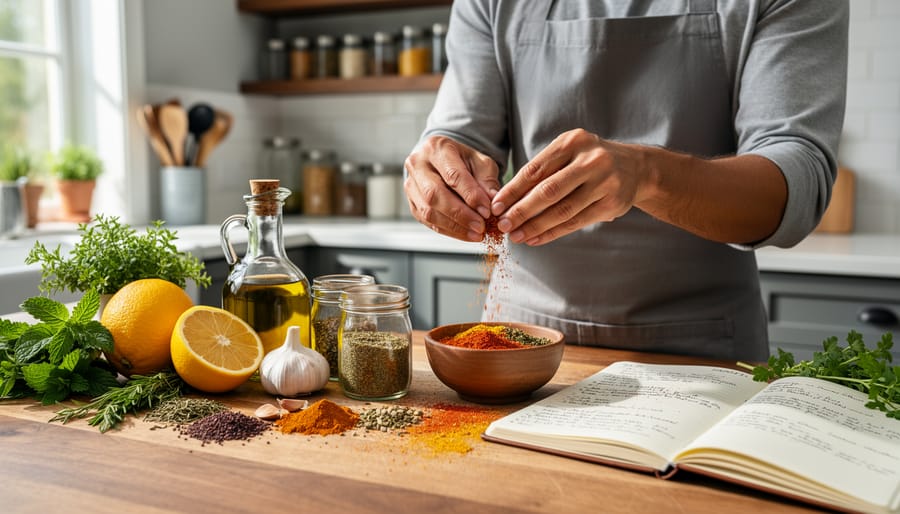
I’ll be honest: the first time I tried creating my own flavor profile at home, I added way too much rosemary to my lemonade and ended up with something that tasted like pine cleaner. But that’s how we learn, right? The beauty of experimenting with your own beverage flavor profiles is that there’s no pressure, and when you do strike gold, you’ll want to make it again and again.
Start with what you already love. If you’re customizing coffee think about which flavors already appeal to you. Do you love the warmth of cinnamon? Try pairing it with a touch of vanilla and a hint of brown sugar. The key is building your flavor profile layer by layer, tasting as you go.
For infused waters I’ve found that less is more. My current obsession is cucumber with just three or four fresh mint leaves and a squeeze of lime. It’s refreshing without being overwhelming. Using proper infusion techniques really does make a difference in how those flavors develop.
Here are some starter combinations that work beautifully together:
- Strawberry and basil with a touch of black pepper
- Ginger, honey, and lemon for tea
- Watermelon and mint for refreshing summer drinks
- Apple, cinnamon, and a pinch of cardamom
- Peach, lavender, and vanilla for mocktails
Keep a simple notebook to track what you try. Jot down what worked and what didn’t. I still look back at mine when I’m feeling uninspired.
Now here’s where it gets fun: I’d love to hear what flavor combinations you’ve discovered! Drop a comment below sharing your favorite homemade flavor profile. Have you tried something unexpected that totally worked? Or maybe you have a happy accident story like my rosemary disaster? Let’s build a collection of tried-and-true combinations together.
Understanding flavor profiles has genuinely transformed how I experience my morning coffee. I used to rush through it, barely tasting anything beyond “hot” and “caffeinated.” Now I catch myself pausing to notice the subtle caramel sweetness, the bright citrus notes that hit first, the way the acidity balances everything out. It’s not about being fancy or pretentious. It’s about being present with something I do every single day anyway.
The beautiful thing about learning to identify flavor profiles is that it works for everything you drink. Your afternoon tea. That smoothie you blend on busy mornings. Even the wine you pour on Friday nights becomes more interesting when you can name what you’re tasting instead of just knowing you like it. You start making better choices because you understand what you actually enjoy, not just what someone told you was good.
I’d love to hear about your own flavor profile discoveries. Have you started noticing things in your daily beverages that you never paid attention to before? Maybe you’ve realized you’re drawn to fruity notes, or you’ve discovered you prefer drinks with low acidity. Drop a comment below and let’s keep this conversation going. There’s something really satisfying about sharing these little moments of awareness with people who get it.
Your taste journey is uniquely yours. Take your time exploring it.