Last spring, I signed my daughter up for what I thought would be a simple kids’ baking class, only to watch her spend an hour decorating pre-made cupcakes while the instructor scrolled through her phone. That experience taught me everything about the difference between a cooking class and a truly well seasoned cooking program.
Quality cooking instruction transforms your family’s relationship with food. I’ve spent the past year visiting studios across Canada, talking with instructors, and watching my own kids progress from mac-and-cheese devotees to adventurous eaters who ask to make Thai curry on weeknights. The cooking schools worth your money share specific markers: chef-instructors with restaurant experience, small class sizes (typically 8-12 students), hands-on participation rather than demonstration-only formats, and age-appropriate curriculum that actually builds skills sequentially.
Well seasoned cooking classes stand apart because they treat culinary education as a craft, not entertainment. These programs focus on technique mastery, flavor understanding, and kitchen confidence. You’ll find instructors who correct knife grips, explain why we salt pasta water, and create an environment where mistakes become learning moments.
For Canadian parents specifically, the landscape has expanded significantly in 2026. Cities from Vancouver to Halifax now offer dedicated family cooking programs, weekend workshops, and even school-break intensives. Pricing typically ranges from $45-$85 per class, with multi-session packages offering better value. The key is knowing what separates a memorable afternoon from genuine skill-building that changes how your family cooks and eats together.
This guide will help you identify truly excellent cooking instruction, compare options in major Canadian cities, and choose programs that match your family’s needs and budget.
Why ‘Well Seasoned’ Means More Than Just Good Spices
When I first heard the phrase “well seasoned,” I immediately thought of perfectly spiced roasted vegetables. But in the context of cooking classes for kids, it means something far more valuable. A well-seasoned program has been tested, refined, and proven effective over time, just like a favourite family recipe that gets better each time you make it.
The real markers of a well-seasoned cooking class start with the instructors. You want chefs who’ve not only mastered their craft but understand how to translate complex techniques into language and activities that click with children. This often means someone with formal culinary training combined with genuine teaching experience, not just a home cook who enjoys working with kids. Programs featuring Michelin-trained chefs or culinary school graduates bring that depth of knowledge, but the magic happens when they can adapt their expertise to match where your child is developmentally.
A proven curriculum matters just as much. Well-established programs build skills progressively rather than jumping randomly from pasta one week to pastry the next. The best classes introduce fundamental techniques through recipes kids actually want to eat, creating those lightbulb moments where they realize they can recreate restaurant favourites at home.
Reputation speaks volumes, and it’s earned through consistent delivery. When a cooking school has been operating for years with strong community feedback and returning students, that track record tells you they’ve figured out what works. These programs have refined their safety protocols, perfected their age-appropriate groupings, and learned how to keep kids engaged even when teaching something as potentially tedious as proper knife grip. That institutional knowledge is what transforms a cooking class from a nice activity into an experience that genuinely builds your child’s confidence and capabilities in the kitchen.
Finding Quality Kid-Friendly Cooking Classes Across Canada
Metro Vancouver’s Well-Established Options
Metro Vancouver’s cooking school scene spans from the city core to the suburbs, giving parents plenty of choices close to home. I’ve found that spreading your search across Vancouver, North Vancouver, Burnaby, and Langley opens up options you’d miss if you only looked downtown.
Well Seasoned Gourmet Food Store and Cooking School stands out as one of the area’s most established programs. They’ve built a solid reputation over the years, and parents I’ve talked to appreciate their consistent approach to teaching. As of 2025, the pricing information was publicly available in Canadian dollars, which helped families budget realistically. That kind of transparency matters when you’re comparing multiple programs.
What I like about Metro Vancouver’s landscape is the mix of neighborhood schools and destination venues. North Vancouver tends to draw families looking for smaller class sizes in quieter settings. Burnaby and Langley options often run more affordably than downtown Vancouver programs while maintaining good instruction quality. The trade-off is usually drive time versus cost savings, something worth considering with your own schedule.
A practical tip: check whether a school offers trial classes or single-session workshops before committing to a full series. Several Metro Vancouver schools let kids test the waters first, which saved us from signing up for a format that didn’t click with my daughter’s learning style. The area’s competitive market works in parents’ favor that way.
Toronto and Montreal: Where Michelin-Trained Meets Kid-Friendly
Toronto parents have some stellar options that prove professional culinary credentials don’t have to mean stuffy or intimidating for kids. The Chef Upstairs on Mount Pleasant Road has built a reputation for translating serious cooking techniques into accessible, engaging sessions that children actually enjoy. Their instructors bring restaurant-quality skills but adapt their teaching style to match young learners’ attention spans and capabilities.
Chef Bige’s hands-on Italian cooking classes offer something special: small group sizes that let kids get genuine one-on-one guidance while they’re elbow-deep in pasta dough or tomato sauce. That intimate format means your child isn’t just watching demonstrations from the back of a crowded room but actively learning techniques they can replicate at home. The Italian focus also introduces flavour profiles and methods many Canadian kids haven’t experienced, broadening their culinary horizons beyond the basics.
Montreal takes things up a notch with Michelin-trained chef programs that somehow manage to stay approachable for younger students. These chefs understand precision, timing, and flavour development at the highest levels, and they know how to break those concepts down for beginners. My friend’s daughter took a Montreal class last year and came home genuinely excited about knife skills and seasoning techniques, not just because she made something tasty but because she understood why it worked. That’s the difference professional training makes when it’s taught well.
What to Look for in Instruction Quality
When I enrolled my daughter in her first cooking class, I learned the hard way that not all programs deliver what they promise. The instructor spent most of the session talking at kids rather than teaching them, and we left with a mediocre muffin and zero new skills. Here’s what I wish I’d known to look for before paying upfront.
Chef credentials matter, but the right kind. A culinary degree is nice, but what you really need is someone trained to teach children specifically. Does the instructor adjust techniques for smaller hands? Can they explain why we cream butter and sugar without losing an eight-year-old’s attention? I’ve watched Michelin-trained chefs stumble with kids and seen passionate home cooks create magic. The difference comes down to whether they can break complex techniques into kid-sized steps while keeping everyone engaged.
Safety protocols tell you everything about a program’s professionalism. Quality schools follow food safety guidance seriously, maintain spotless workspaces, and establish clear rules about knife handling and hot surfaces from day one. During your research, ask about allergen management and how they handle supervision ratios. Programs that can’t give you straight answers about these basics aren’t worth your time or money.
Curriculum progression separates the truly well-seasoned programs from one-off workshops that look good on Instagram but don’t build lasting skills. The best classes start with foundational techniques like proper measuring and knife safety, then layer in more complex skills across multiple sessions. You want a program where lesson three builds on what they learned in lesson two, creating a logical path from scrambling eggs to making pasta from scratch.
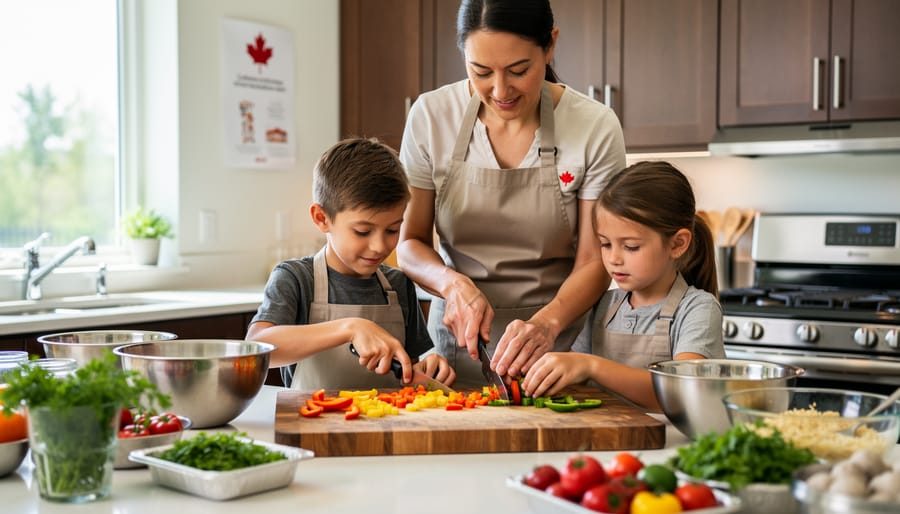
Teaching style adaptability shows up in class size and pacing. Small groups let instructors catch mistakes before they become habits and give each child hands-on time with equipment. Watch for programs that promise personalized attention rather than assembly-line cooking where kids just follow rigid steps without understanding the why behind each technique.

Class Format: Finding the Right Fit for Your Child
Choosing the right format matters as much as finding a well-seasoned instructor. I learned this when my daughter thrived in a small hands-on workshop but felt overwhelmed in a larger demonstration class the following year. Different kids respond to different setups, and thankfully, 2026 offers Canadian parents plenty of options.
| Format Type | Best For | Learning Benefits | Typical Price Range (CAD) |
|---|---|---|---|
| Small Group Hands-On | Ages 8-14 | Direct practice, personalized feedback, confidence building | $75-$150 per session |
| Demonstration Style | Ages 10+ | Observation skills, note-taking, less intimidating for shy kids | $40-$80 per session |
| Multi-Week Courses | All ages | Skill progression, routine building, deeper technique mastery | $200-$400 for 4-6 weeks |
| Drop-In Workshops | Ages 6+ | Flexibility, exploring interests, no long-term commitment | $50-$100 per class |
Small group formats, like those Chef Bige offers in his Toronto Italian cooking classes, consistently deliver the best results for kids who need more attention. When a group stays small, instructors can adjust techniques on the spot, answer questions without rushing, and ensure every child actually touches the ingredients rather than just watching.
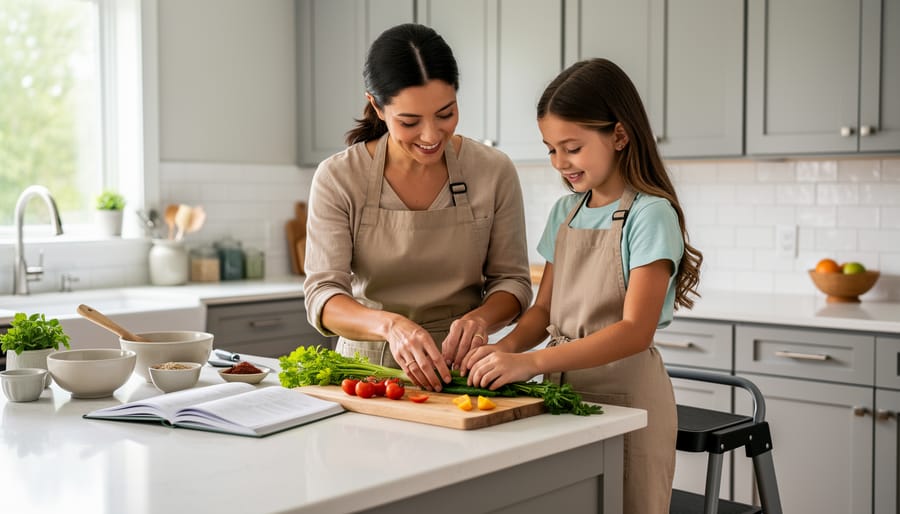
Hands-on workshops beat demonstration classes for most children under twelve. Watching someone else cook teaches observation, sure, but kids remember what their own hands did. They’ll forget a chef’s perfect knife technique by dinnertime, but they’ll remember the feel of kneading dough or flipping a pancake for weeks.
Multi-week courses work beautifully if your child already shows genuine interest. My neighbour’s son went from hating vegetables to confidently making stir-fries after a six-week program in Vancouver. The repetition and progression built real competence, not just a fun afternoon memory.
Drop-in classes offer the perfect low-risk entry point. You can test whether your child actually enjoys cooking instruction without committing hundreds of dollars upfront. If they love it, you can always transition to a more structured program later.
Real Talk: Pricing and What You’re Actually Paying For
Let’s talk numbers, because I know you’re wondering whether these classes are worth it.
Cooking classes for kids in Canada typically range from around $50 for a single workshop to several hundred dollars for multi-week programs. When my daughter first asked to take classes, I’ll admit I winced at some price tags. But here’s what I learned: you’re not just paying for an hour in a kitchen.
Quality programs include fresh ingredients, often organic or specialty items your child gets to work with hands-on. You’re also paying for instructor expertise (those Michelin-trained chefs in Montreal didn’t get there overnight), small group sizes that ensure actual learning versus chaos, and comprehensive safety protocols. Premium classes often provide take-home recipe cards, aprons, and sometimes even the food your child creates.
Budget-friendly options absolutely exist. Community centers and some culinary schools offer introductory workshops at lower price points, perfect for testing whether your child actually enjoys cooking before committing to a series. These can be fantastic starting points, though class sizes may be larger and ingredients more basic.
The sweet spot? Mid-range programs that balance cost with quality instruction and reasonable group sizes. Look for transparent pricing that clearly states what’s included. If a program seems unusually cheap, ask about class size and what materials you’ll need to bring. If it’s premium-priced, verify the instructor credentials and curriculum depth justify the investment.
Your child’s interest level matters too. A committed young chef benefits more from a structured series, while a curious beginner might thrive in drop-in sessions first.
Making the Most of Your Investment
The classes are just the beginning. What happens at home determines whether your child files cooking under “that thing I did once” or becomes genuinely confident in the kitchen.
I learned this the hard way after dropping a small fortune on summer cooking camps. My daughter loved the classes but froze when I asked her to make anything at home. We’d paid for skills that never transferred. Here’s what I wish I’d known about reinforcing those lessons.
Start by asking your child to teach you one thing they learned each week. Not quiz them, but genuinely let them demonstrate. When my son showed me how to properly mince garlic (something I’d been doing wrong for years), his whole attitude shifted. He wasn’t just a student anymore.
Transform your kitchen into a kitchen classroom where mistakes are experiments, not failures. Stock the basics they’re learning to use. If knife skills are the current focus, have safe practice vegetables on hand. One ElleM community member keeps a “class ingredients box” in her pantry so her kids can recreate recipes independently.
Here’s a framework that actually works:
- Review the week’s lesson together while it’s fresh, noting what they found challenging or exciting.
- Schedule a practice session within three days where they lead and you assist.
- Gradually hand over full responsibility for one regular family meal using those techniques.
- Encourage them to write food reviews of their creations in a journal, building critical thinking about flavour.
- Celebrate improvements, not perfection, pointing out specific growth you’ve noticed.
Connect the mindful cooking habits they’re developing in class to everyday kitchen time. Those kitchen tricks professional chefs teach become second nature only through repetition at home.
The parents whose kids gain the most from cooking classes treat them as ongoing skill development, not standalone events. Create opportunities to practice, space to fail safely, and genuine reasons to cook regularly. That’s where the real return appears.
Finding well-seasoned cooking classes for your kids means looking beyond flashy websites and focusing on what actually matters: experienced instructors who know how to teach children, proven track records you can verify through honest reviews, and class formats that match your child’s learning style. Whether you’re exploring programs in Vancouver, Toronto, Montreal, or anywhere across Canada, trust your instincts as a parent. A cooking school that welcomes your questions, provides clear pricing information, and demonstrates genuine passion for teaching kids is worth far more than one with perfect marketing but vague credentials.
I’d love to hear about your experiences. Have you found a cooking program that truly connected with your child? What made it special? Drop a comment below and share your recommendations with our community.
The kitchen skills your child develops now will follow them through life, but the real magic happens around the table afterward, when you’re all sharing what they created. That’s the gift that keeps giving long after the class ends.